
Share your Zusha moment
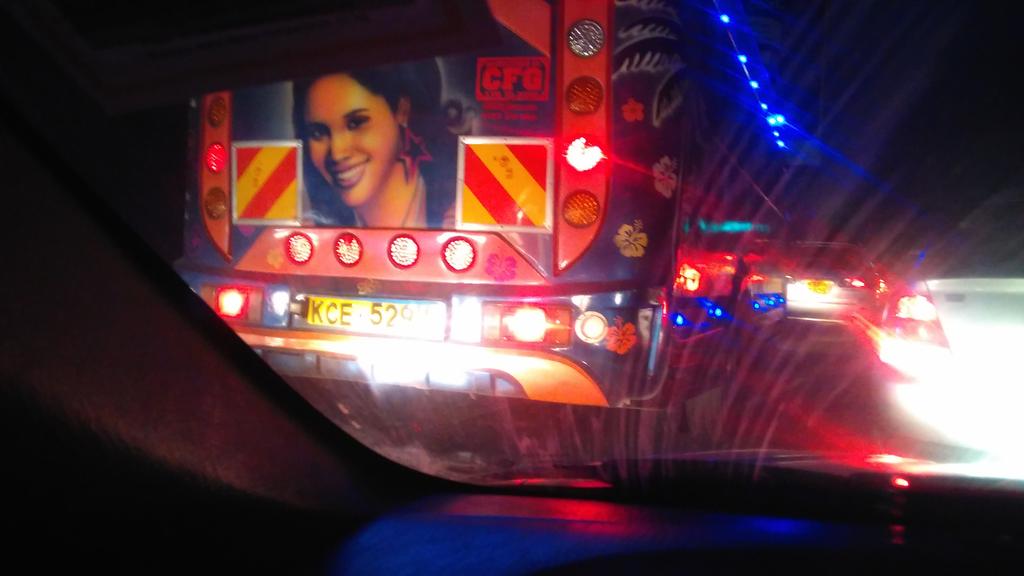
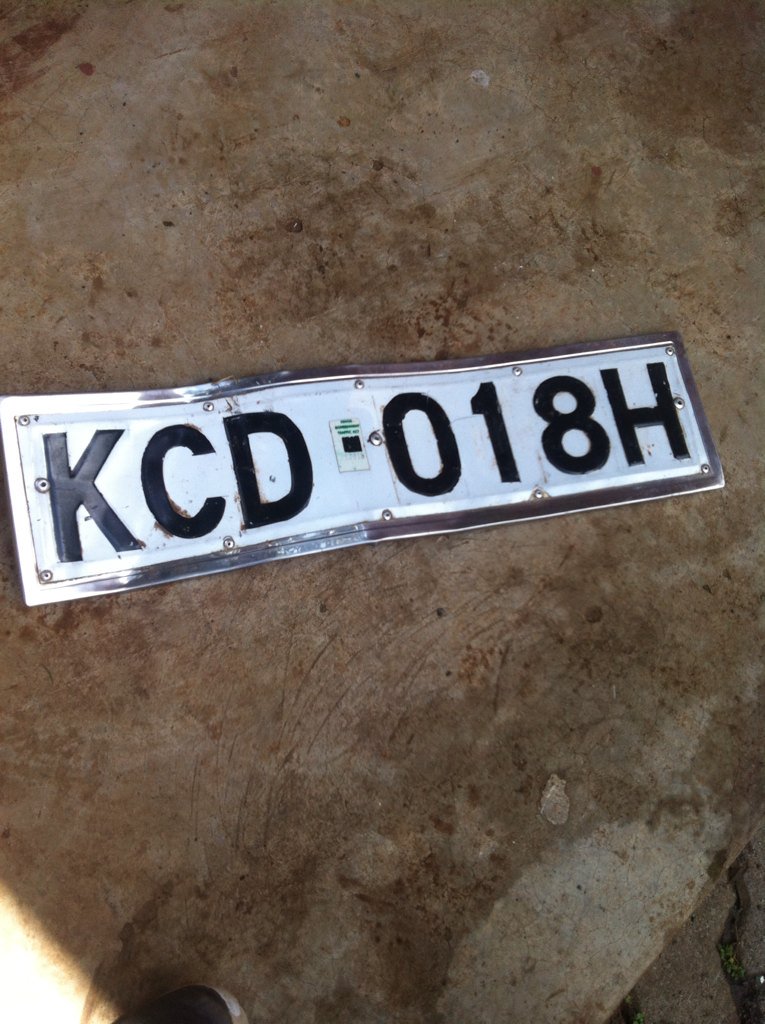

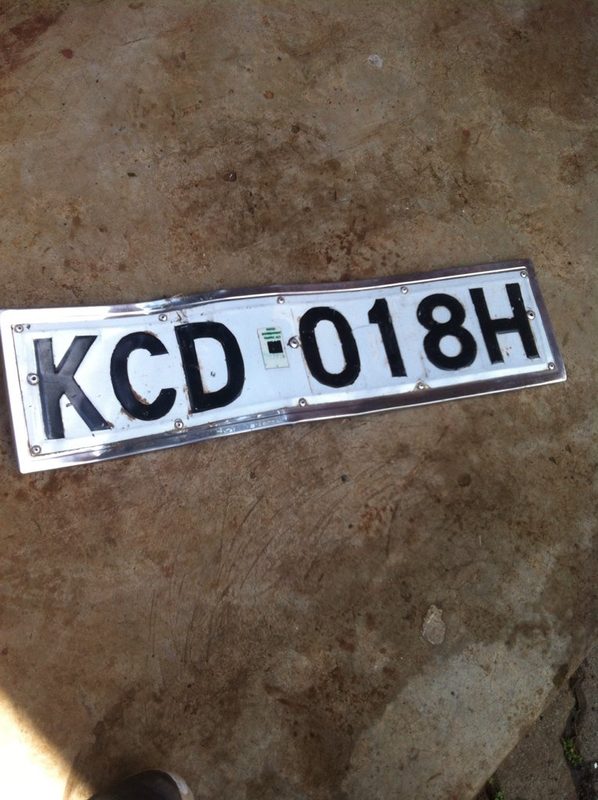
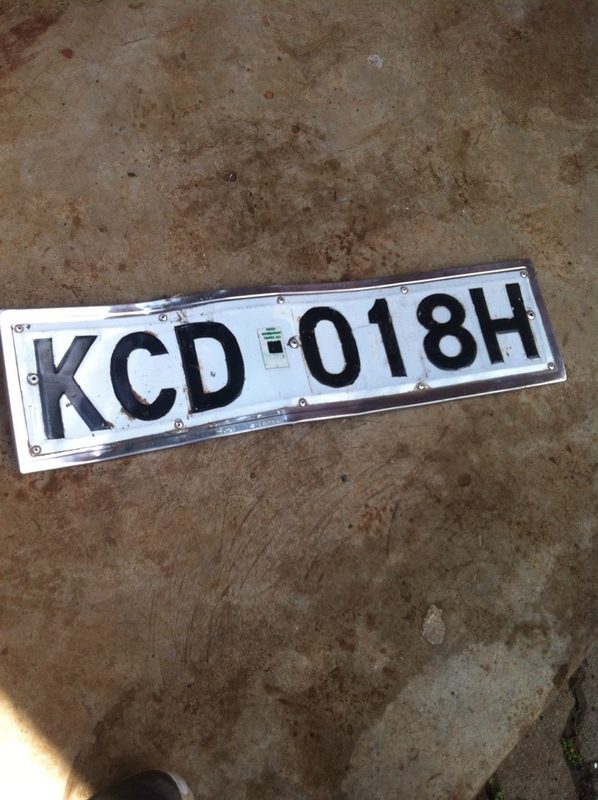
Zusha is a road safety movement that calls on everyday commuters to speak up about dangerous driving before tragedy strikes. The name itself, drawn from a local expression meaning “speak,” captures the spirit of the campaign: ordinary passengers refusing to stay silent when they witness reckless behavior on the road. By turning quiet bus rides into moments of collective accountability, the initiative aims to shift culture from passive observation to active intervention, especially in public service vehicles where the majority of road users are bystanders to risk rather than causes of it. The campaign focuses on simple, practical actions that travelers can take without leaving their seats. Reporting an overspeeding driver, flagging careless overtaking, or politely urging a conductor to slow down are framed as everyday civic duties rather than confrontations. Stickers, posters, and social media prompts remind passengers that their voice matters, and that speaking up can prevent a crash rather than merely reacting to one. This low-barrier approach is what gives the movement its grassroots feel, encouraging participation from commuters who may never have considered themselves advocates for safer roads. Across East Africa, traffic crashes continue to claim lives that could otherwise be saved through shared vigilance. Many fatal incidents involve preventable mistakes, and the Zusha community believes that passengers hold an often overlooked power to interrupt risky situations in real time. By highlighting testimonials from people who spoke out before a collision, the campaign shows how a single word of caution can ripple outward, protecting families, drivers, and entire routes. The message is not about blame but about care for fellow road users. At its heart, the Zusha movement is about building a culture where silence around dangerous driving is no longer the norm. When commuters consistently voice concerns, drivers receive feedback that reckless choices have social consequences, not just legal ones. Over time, this steady chorus of voices can reshape expectations on highways and in matatus alike, making safety a shared responsibility rather than a personal inconvenience. The campaign invites everyone who rides, drives, or simply walks near traffic to participate in that change.
Road safety is most powerful when the people who use the roads every day take part in shaping them. Commuters, passengers, and drivers all hold pieces of the same picture, and when those pieces are shared openly, dangerous patterns come into focus. Reckless overtaking, overspeeding, and careless driving habits are easier to challenge once the wider community starts naming them. Collective reporting turns isolated frustrations into a movement that authorities, operators, and the traveling public can all learn from. The road belongs to everyone, so safer streets begin with the everyday voice of the people who actually travel on them.
Public service vehicles sit at the heart of daily travel in many growing cities, which is why empowering matatu and PSV culture is central to long term change. Drivers, conductors, and commuters each have a role in pushing standards upward, from how routes are managed to how conflicts on the road are resolved. Simple acts of speaking up before a crash happens can prevent tragedy, while consistent reporting afterwards helps identify where systems are failing. A culture of shared responsibility encourages respect between drivers and passengers, and turns ordinary journeys into opportunities to protect one another.
A community wall of testimonials, reports, and personal stories helps turn concern into meaningful action. When passengers describe near misses, dangerous overtaking, or reckless behaviour, that information becomes a record that others can learn from. Submitting a report takes only a moment, yet each contribution adds to a wider picture of how traffic crashes unfold and how they can be prevented. Reading what others have experienced builds awareness, while viewing accumulated reports gives campaign supporters the evidence they need to keep pushing for safer highways and streets. Spoken experience, when gathered together, becomes a tool for lasting change.


