



http://www.ucdenver.edu/acade…
Across many roads, the difference between a safe journey and a tragedy often comes down to the choices made by those behind the wheel. The Zusha movement recognises that road safety is not just a matter for traffic authorities, but a shared responsibility that begins with every driver, passenger, and pedestrian who uses the highway each day. By encouraging people to speak up against unsafe practices, the campaign aims to make safer behaviour a normal expectation rather than an exception. When safety becomes a personal commitment, the road becomes a place where life is respected, and the communities that rely on those routes can travel with greater confidence and peace of mind.
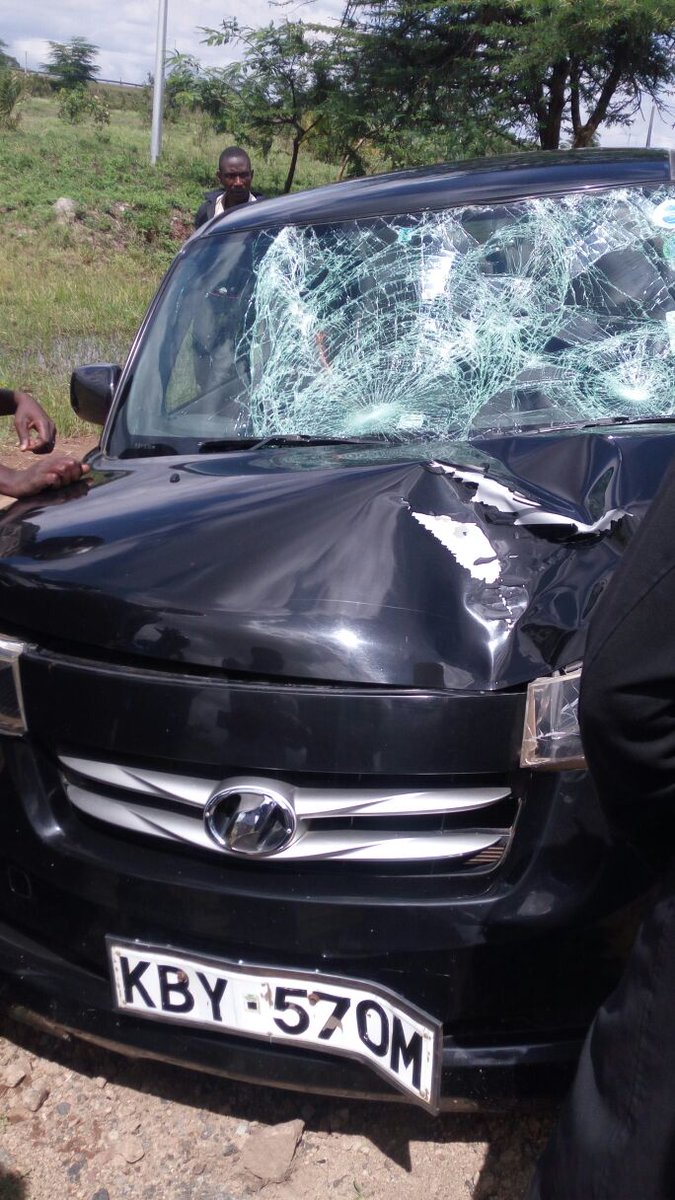
Reckless driving continues to take a heavy toll on families and communities, with overspeeding and careless overtaking among the most common causes of crashes. Many of these incidents could be prevented if passengers, drivers, and bystanders felt empowered to challenge dangerous behaviour on the spot. The campaign encourages people to view silence not as politeness, but as a quiet acceptance of risk, and to instead raise their voices whenever they see a threat to their own lives or the lives of others. Speaking up can feel uncomfortable, yet it is one of the simplest and most powerful tools available to anyone who shares the road, and it costs nothing more than a moment of courage.
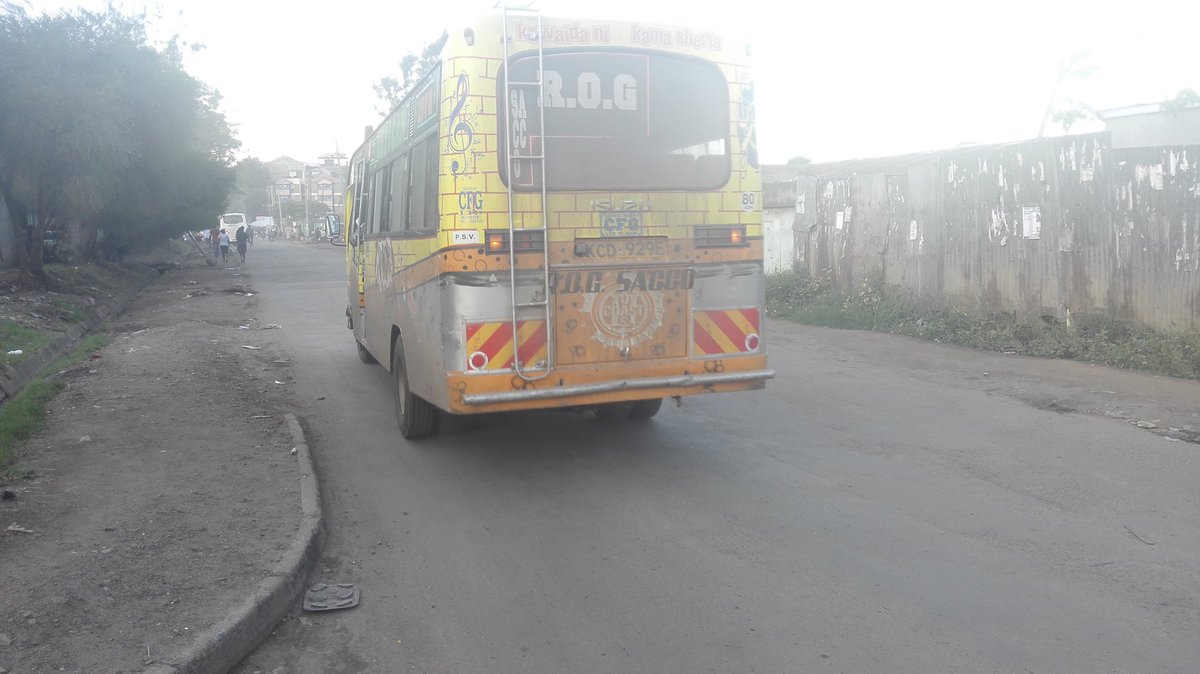
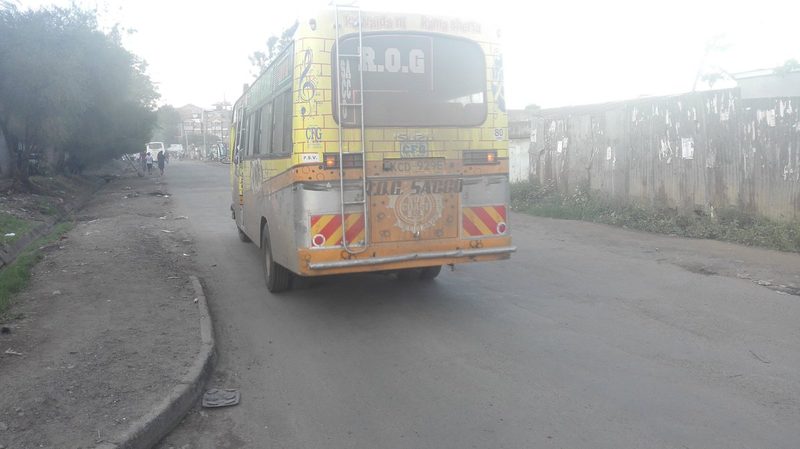
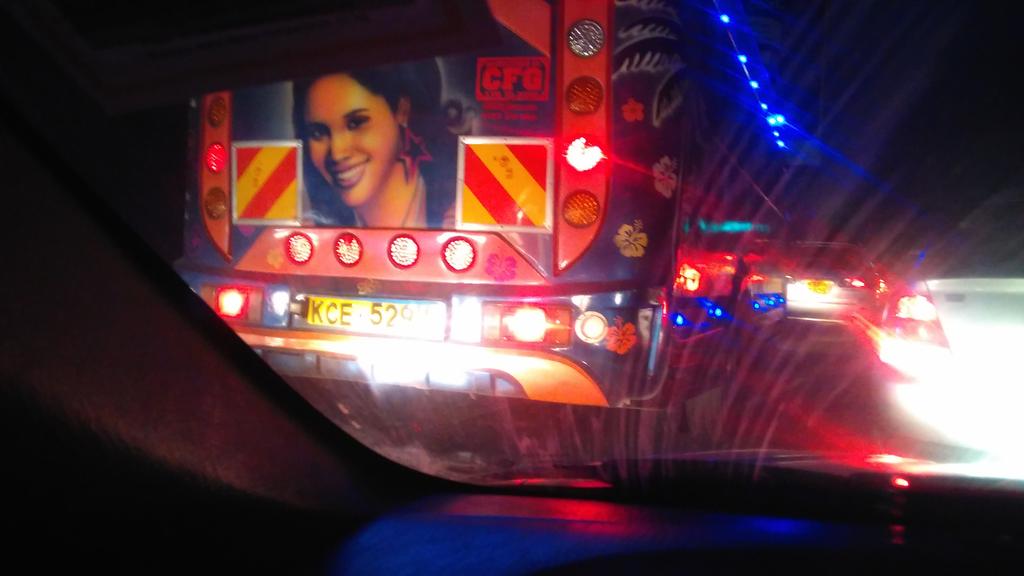
Public service vehicles carry countless commuters every day, and the conditions inside them shape the experience of road travel for entire neighbourhoods. When drivers cut corners, ignore traffic rules, or speed through busy stretches, the consequences extend far beyond the vehicle itself, affecting families waiting at home and economies that depend on safe transport. The Zusha approach highlights that passengers are not passive cargo but active participants in the journey, whose voices carry genuine weight. By reporting reckless conduct, sharing concerns, and supporting drivers who follow the rules, commuters help build a culture where safety is valued as highly as speed or profit.
Behaviour change on the roads grows from many small actions taken by many different people over time. Educational outreach, community events, and visible reminders such as stickers on vehicles all help keep the message in daily view, while testimonials from those affected by crashes bring a human face to the statistics. When stories are shared and listened to, the idea that road deaths are inevitable begins to lose its grip, replaced by a belief that most tragedies can be prevented. A culture of speaking up, supported by consistent awareness efforts, offers a practical path toward safer highways, where every traveller arrives home as expected and road safety is treated as a right, not a hope.